
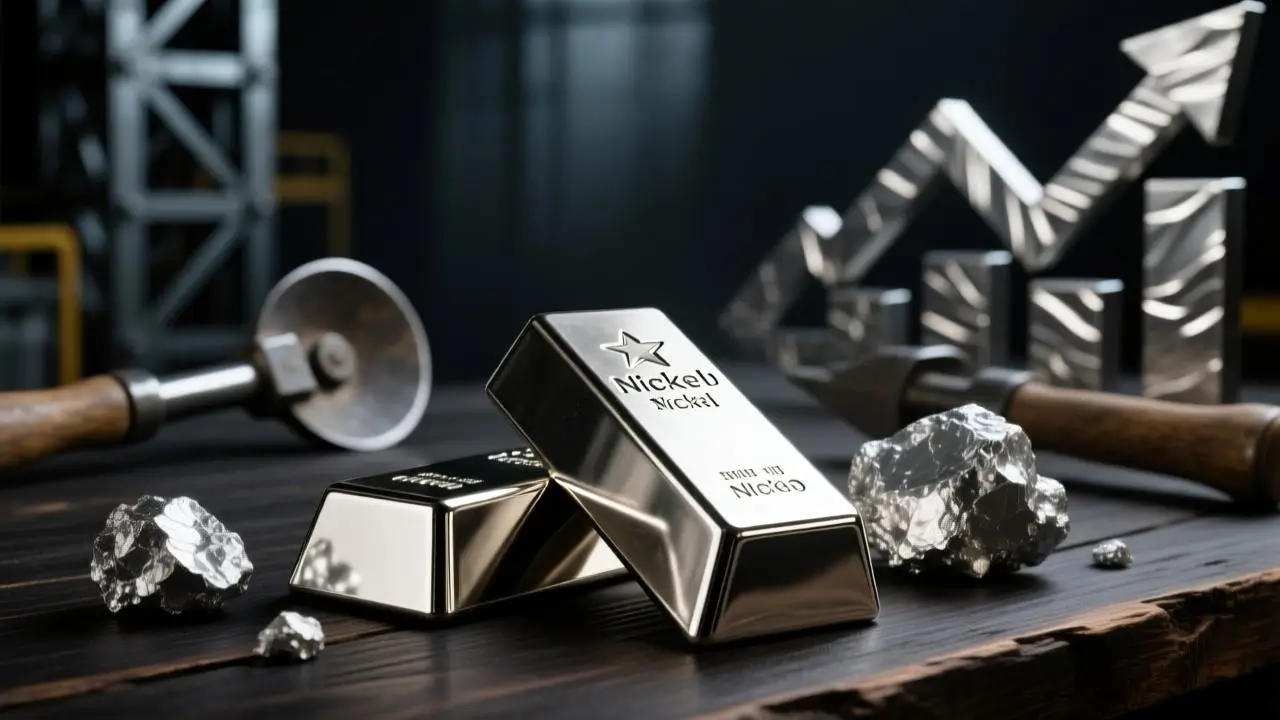
Nickel has quietly moved from being an industrial afterthought to a metal that attracts serious investor attention. When people search for 5starsstocks.com nickel, they are often trying to understand why nickel matters, how it fits into modern investment thinking, and what signals to watch before making decisions. Nickel’s value is not driven by hype alone. It is tied to real-world demand, long-term infrastructure changes, and evolving technology needs.
This article explores nickel from an investment perspective, explains why platforms like 5starsstocks.com focus on it, and helps readers understand the broader context around nickel-related stocks and market movements. The goal is clarity, not persuasion, so readers can form their own informed views.
What Makes Nickel Important in Today’s Economy
Nickel has been used for decades, but its relevance has grown significantly in recent years. It is no longer just a supporting material for alloys and coins. Nickel now plays a key role in sectors that shape the future economy.
At its core, nickel is valued for strength, corrosion resistance, and durability. These properties make it essential in stainless steel production, which remains one of the largest sources of nickel demand worldwide. From buildings and bridges to household appliances, stainless steel depends on nickel to maintain quality and lifespan.
Beyond traditional uses, nickel has become closely linked with energy storage and electric mobility. Battery technologies increasingly rely on nickel-rich components to improve energy density and performance. This shift has placed nickel in conversations about sustainability, innovation, and long-term growth.
Why Investors Track Nickel-Related Markets
Investors are drawn to nickel for a combination of practical and strategic reasons. Unlike speculative assets that rely heavily on sentiment, nickel demand is rooted in physical production and consumption.
Nickel markets tend to reflect industrial health. When manufacturing grows, nickel demand often follows. When new technologies expand, nickel finds new applications. This connection to real economic activity makes nickel attractive to investors who prefer assets tied to tangible value.
Another factor is supply complexity. Nickel production is not evenly distributed across the globe, and mining operations can be influenced by regulation, environmental policies, and geopolitical shifts. These variables add layers of market movement that experienced investors watch closely.
Platforms such as 5starsstocks.com often analyze these dynamics to help users understand where opportunities and risks may emerge.
How Nickel Fits Into Long-Term Investment Thinking
Nickel is rarely viewed as a short-term speculative play by informed investors. Instead, it is often considered part of a long-term strategy focused on industrial growth and technological change.
As economies modernize, demand for durable materials increases. Infrastructure development, transportation upgrades, and renewable energy systems all rely on materials that perform under stress. Nickel’s properties make it difficult to replace entirely, even as alternatives are explored.
Long-term investors consider how population growth, urban expansion, and energy transitions influence metal demand. Nickel sits at the intersection of these trends, which explains why it continues to receive attention across analytical platforms.
Understanding Nickel Stocks vs. Physical Nickel
When discussing nickel in an investment context, it is important to separate physical nickel from nickel-related stocks. Most individual investors do not buy physical nickel directly. Instead, they gain exposure through companies involved in mining, refining, or processing nickel.
Nickel stocks can behave differently from the metal itself. A company’s performance depends not only on nickel prices but also on operational efficiency, management decisions, and broader market conditions. This means investors must evaluate both the metal and the business behind it.
This distinction is often highlighted in analytical discussions because it shapes risk and reward profiles.
The Role of Analysis Platforms Like 5starsstocks.com
Investment-focused platforms exist to help users interpret complex markets. When users look up 5starsstocks.com nickel, they are often seeking structured insights rather than raw data.
Such platforms typically examine trends, historical patterns, and sector relationships. Instead of predicting outcomes with certainty, they aim to provide context that helps investors think critically.
For nickel, this might involve examining supply-demand balance, technological adoption, or how global policy shifts influence industrial metals. The value lies in interpretation rather than promises.
Market Volatility and Nickel Pricing
Nickel prices can fluctuate for many reasons. Industrial metals are sensitive to changes in production output, transportation costs, and international trade conditions.
Short-term volatility does not always reflect long-term value. Sudden price movements may be driven by temporary disruptions rather than fundamental changes. Experienced investors learn to distinguish between noise and meaningful signals.
Understanding this volatility helps prevent emotional decision-making. Nickel markets reward patience and research more than reaction.
Environmental and Ethical Considerations
Modern investors increasingly care about how materials are sourced. Nickel mining, like other resource extraction activities, raises environmental and ethical questions.
Regulations around mining practices continue to evolve. Companies that adapt responsibly often gain long-term credibility, while those that ignore environmental impact may face operational or reputational risks.
This dimension adds another layer to nickel investment analysis. It is no longer just about price and demand, but also about sustainability and accountability.
Nickel’s Connection to Energy Storage and Technology
One of the most discussed aspects of nickel today is its role in energy storage. Advances in battery chemistry have increased demand for nickel-rich components, particularly in applications requiring high energy density.
This does not mean demand will rise endlessly without challenges. Research into alternative materials continues, and technology evolves quickly. However, nickel’s established performance makes it a key player in current systems.
Investors watching these trends often look for balance, recognizing both opportunity and uncertainty.
Risk Factors Investors Should Consider
No investment theme is without risk, and nickel is no exception. Market cycles, technological disruption, and regulatory changes can all affect outcomes.
Nickel demand could shift if alternative materials become more cost-effective or if recycling technologies improve significantly. Supply-side risks include production delays or changes in trade policies.
Understanding these risks does not mean avoiding nickel entirely. It means approaching it with realistic expectations rather than blind optimism.
Why Informed Research Matters More Than Hype
Nickel often becomes popular during moments of technological excitement. While attention can highlight opportunities, it can also lead to exaggerated claims.
Reliable analysis avoids extremes. It focuses on data trends, historical context, and realistic scenarios. Platforms that prioritize balanced insight over sensational headlines help investors make steadier decisions.
The search for 5starsstocks.com nickel reflects this desire for structured understanding rather than hype-driven advice.
Nickel as Part of a Diversified Portfolio
Few experienced investors rely on a single asset class. Nickel exposure is often used to complement broader strategies rather than dominate them.
Diversification helps manage risk. When combined with other commodities, equities, or asset types, nickel-related investments can add industrial exposure without overwhelming a portfolio.
The key is proportionality and alignment with long-term goals.
Looking Ahead: The Future Outlook for Nickel
The future of nickel will likely be shaped by a mix of industrial demand, technological innovation, and policy direction. While exact outcomes are uncertain, nickel’s versatility suggests continued relevance.
Rather than asking whether nickel will matter, a better question is how its role will evolve. Investors who stay informed and adaptable are better positioned to respond to changes as they emerge.
Final Thoughts
The interest in 5starsstocks.com nickel highlights a broader shift toward thoughtful commodity analysis. Nickel is not a trend built on speculation alone. It is a material embedded in modern life, from infrastructure to energy systems.
Understanding nickel requires patience, context, and critical thinking. By focusing on fundamentals rather than noise, investors can evaluate nickel’s place in their strategies with confidence and clarity.
Frequently Asked Questions (FAQs)
What does 5starsstocks.com nickel refer to?
It generally refers to analysis or discussion related to nickel investments, market trends, or nickel-related stocks featured or explored on the platform.
Why is nickel important for investors?
Nickel is tied to industrial growth, manufacturing, and emerging technologies, making it relevant for long-term investment considerations.
Are nickel stocks the same as investing in nickel?
No. Nickel stocks represent companies involved in nickel production or processing, while nickel itself is the physical commodity.
Is nickel a high-risk investment?
Nickel carries market and industry risks like any commodity, but informed research and diversification can help manage exposure.
Can nickel demand decline in the future?
Demand may shift based on technology and policy changes, but nickel’s current applications give it ongoing relevance.
For More Visits: Voguemag
Also Read: Blog Gaming DualMedia Ultimate Growth Guide 2025

